
The Truth About Damp
Paperback
Published 1983 & Revised Edition 2018
By Bernard Gaines
Revised, Updated and Edited by Mark Fraser
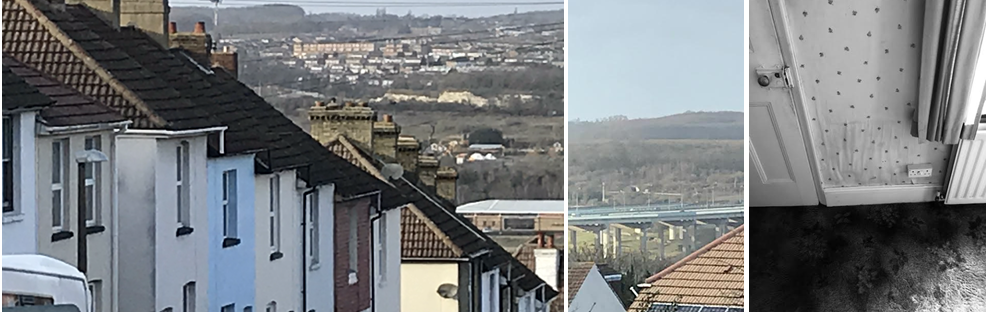
Bernard Gaines, a lifelong resident of Rochester, was once a highly respected damp specialist, though today he is largely forgotten. He gained local recognition in the early 1980s for helping to drive legislative changes relating to water ingress, mould and mildew. Influenced by the social climate of the early Thatcher era, Gaines became a quiet yet determined campaigner. Preferring to avoid public attention, he worked behind the scenes, lobbying through correspondence from his Eastgate office.
Originally trained in stone masonry, Gaines transitioned into the timber and damp industry during the 1970s. As public concern grew over asbestos-related health issues at Chatham Dockyard, there was also increasing governmental focus on industrial regulation and liability. Recognising this shift, Gaines pushed for greater awareness of the health risks associated with damp, particularly in council housing. Although subsequent developments in health and safety legislation have overshadowed his contributions, he can still be regarded as a pioneer in the field.

In 1983, Gaines self-published The Truth About Damp, a book that provoked strong reactions within the damp-proofing industry. By directly naming and shaming nationally recognised institutions, trade associations and timber & damp companies whose practices he believed to be questionable or unethical, the publication was deemed libellous and swiftly withdrawn from sale. Notably, W.H. Smith issued a formal apology to the companies mentioned, published in the now-defunct trade magazine Literary Market. Legal action was eventually dropped, likely sparing Gaines from financial ruin. Nonetheless, both the book and its author faded into relative obscurity.

At the time, Gaines’ methods for diagnosing and treating damp were considered innovative, and they continue to influence industry practices today. He was among the first to identify the importance of landscape, terrain, and building age when assessing damp issues and determining both remedial and preventative measures.
In 2018, Mark Fraser compiled and edited a fully revised edition of The Truth About Damp. Like the original, this now out-of-print version was intended for homeowners seeking clear, practical guidance, whether undertaking repairs themselves or hiring professionals.
The revised edition covered:
🔴 How to assess and confirm damp issues visually, without specialist equipment
🔴 Common misconceptions about damp, mould, and mildew
🔴 Why perimeter trenching combined with below-ground water repellency can outperform chemical damp-proof courses
🔴 The role of original underground drainage in Victorian terraced housing and its impact on water ingress
🔴 The misconception that older properties must inevitably suffer from damp
🔴 Why many large damp-proofing companies focus on ventilation, plastering, and chemical treatments rather than groundworks
🔴 The realities of dealing with damp basements: there are no quick or inexpensive solutions
🔴 Whether to attempt DIY repairs or seek professional help, and how to choose a trustworthy contractor
🔴 The importance of landscape, location, terrain, and property age in diagnosing damp issues
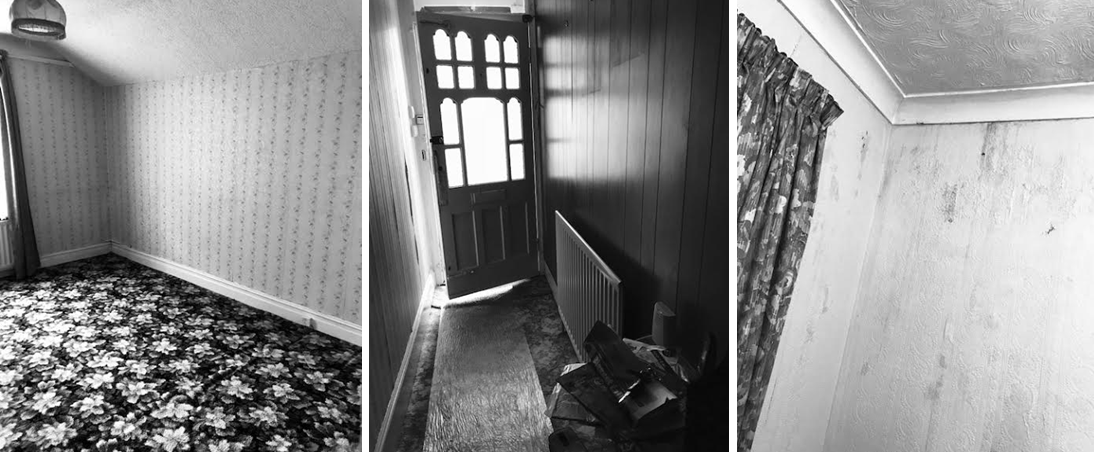
So, does The Truth About Damp still hold up today ?
In many respects, yes. Although both the original and revised editions are now out of print, copies still offer valuable insights that remain relevant decades later. Some materials and products mentioned are now outdated or no longer available, but the core principles endure. In fact, the methods developed by Bernard Gaines closely align with those still followed today by Rochester Building & Damp:
🔴 While tools such as moisture meters and hygrometers can be useful, a thorough visual inspection should always come first.
🔴 The root cause of damp must be addressed directly, whether related to drainage, roofing or other structural issues. Chemical damp-proof courses are just one possible solution, not a universal fix.
🔴 Internal treatment options include tanking (a more invasive method) or surface suppression, which preserves existing plaster using specialist coatings.
🔴Damp ingress typically develops gradually but can cause significant long-term damage if left untreated.
🔴 Adequate external maintenance, such as keeping gutters, downpipes and drainage systems clear, is essential in preventing damp from developing in the first place.
🔴 Ventilation plays a critical role in managing internal moisture levels, particularly in kitchens, bathrooms and basements where condensation is most likely to occur.
🔴 Remedial work should always be proportionate to the problem; unnecessary or overly invasive treatments can be both costly and ineffective.
🔴 A holistic approach: taking into account the building’s structure, materials, environment and usage, provides the most reliable and lasting solution to damp issues.