The Changing Face of Medway
The Medway towns: Strood, Rochester, Chatham, Gillingham and Rainham, have undergone a remarkable transformation over the past two centuries. Once defined by their strategic importance in defence and industry, these towns have steadily evolved into a diverse and growing residential and commercial hub within the South East.
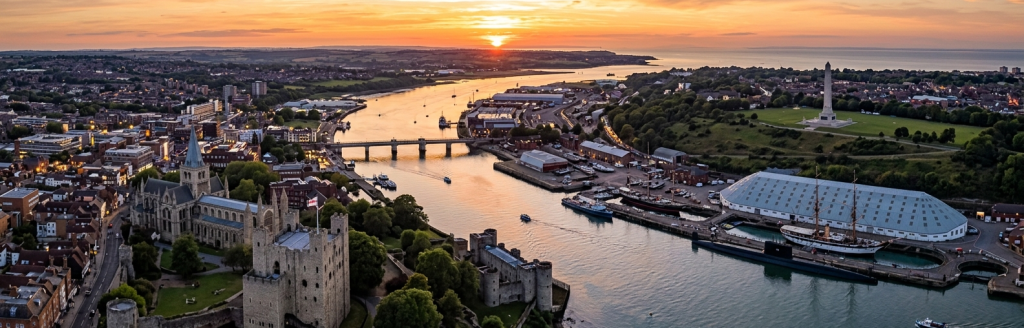
Historically, Medway’s identity was closely tied to the River Medway itself. The river was not only a vital trade route but also the backbone of the area’s industrial strength. The presence of the Chatham Dockyard established the region as a centre of naval engineering and shipbuilding for hundreds of years. This brought employment, infrastructure and a steady population increase, shaping the character of the towns and the housing built to accommodate workers and their families.
During the Victorian era, much of the housing still seen today was constructed. Rows of terraced houses, particularly in Chatham and Gillingham were built quickly and efficiently to meet demand. While these properties have stood the test of time, their age and original construction methods mean they are often more susceptible to issues such as damp, poor ventilation and material degradation.
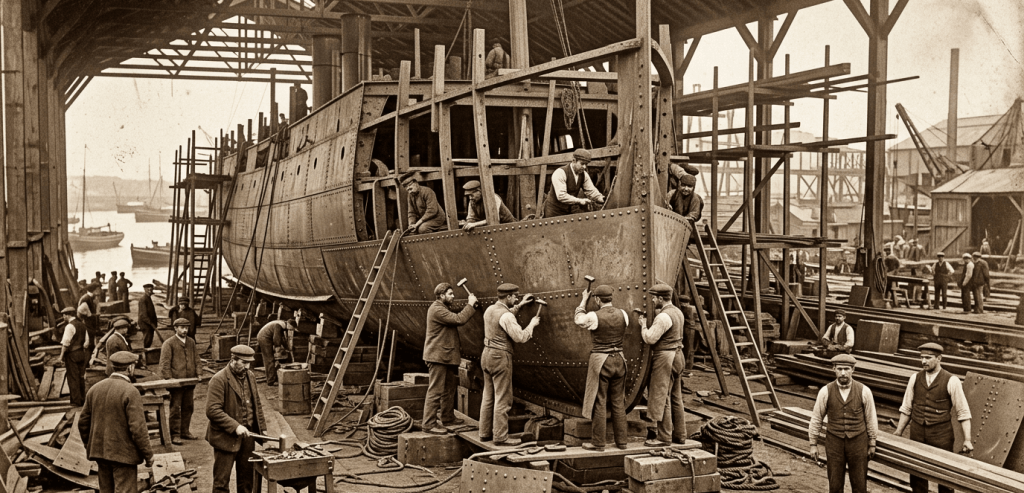

As the 20th century progressed, Medway experienced shifts common across many industrial regions in the UK. The decline of traditional industries, including shipbuilding led to economic challenges and a period of adjustment.
However, regeneration efforts in recent decades have helped reshape the area’s economic landscape. Investment in infrastructure, education and transport links has played a key role in attracting new businesses and residents alike.
One of the most significant changes in recent years has been the expansion of housing across Medway.
Large-scale developments have introduced modern, energy-efficient homes, transforming former industrial land and open spaces into thriving residential communities. These new-build properties offer a stark contrast to the older Victorian housing stock, providing contemporary living standards while helping to meet growing demand.
At the same time, Medway has become an increasingly attractive destination for buyers relocating from London. With comparatively affordable property prices and strong transport connections to the capital, many first-time buyers are choosing Medway as a place to settle. This influx has contributed to a more dynamic property market and a renewed sense of growth across the towns.
Despite these modern developments, the legacy housing stock remains a defining feature of the area, and with it, the challenges associated with older buildings.
Damp remains one of the most common issues affecting properties throughout Medway, particularly in period homes where original damp proofing measures may have deteriorated or been compromised over time.
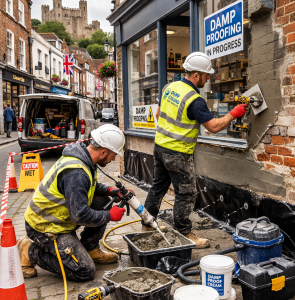
Rochester Building & Damp has played an important role in supporting homeowners and landlords across the region. Working extensively in Strood, Chatham, Gillingham and Rainham, the company has helped countless property owners identify, diagnose, and resolve damp-related issues. Their experience with both traditional and modern construction methods allows them to tailor solutions that are appropriate for each property type, ensuring long-term protection and structural integrity.
From addressing rising damp in Victorian terraces to resolving ingress issues in newer builds, Rochester Building & Damp understands the unique challenges presented by Medway’s diverse housing landscape. Their work not only improves the condition of individual properties but also contributes to the overall quality and sustainability of housing in the area.
As Medway continues to evolve, balancing its rich history with modern growth, the importance of maintaining and protecting its housing stock remains clear. Whether preserving the character of older homes or ensuring the durability of new developments, effective damp proofing is an essential part of that future.
The changing face of Medway is one of progress, resilience, and opportunity.
With the right care and expertise, its homes can continue to support generations to come.